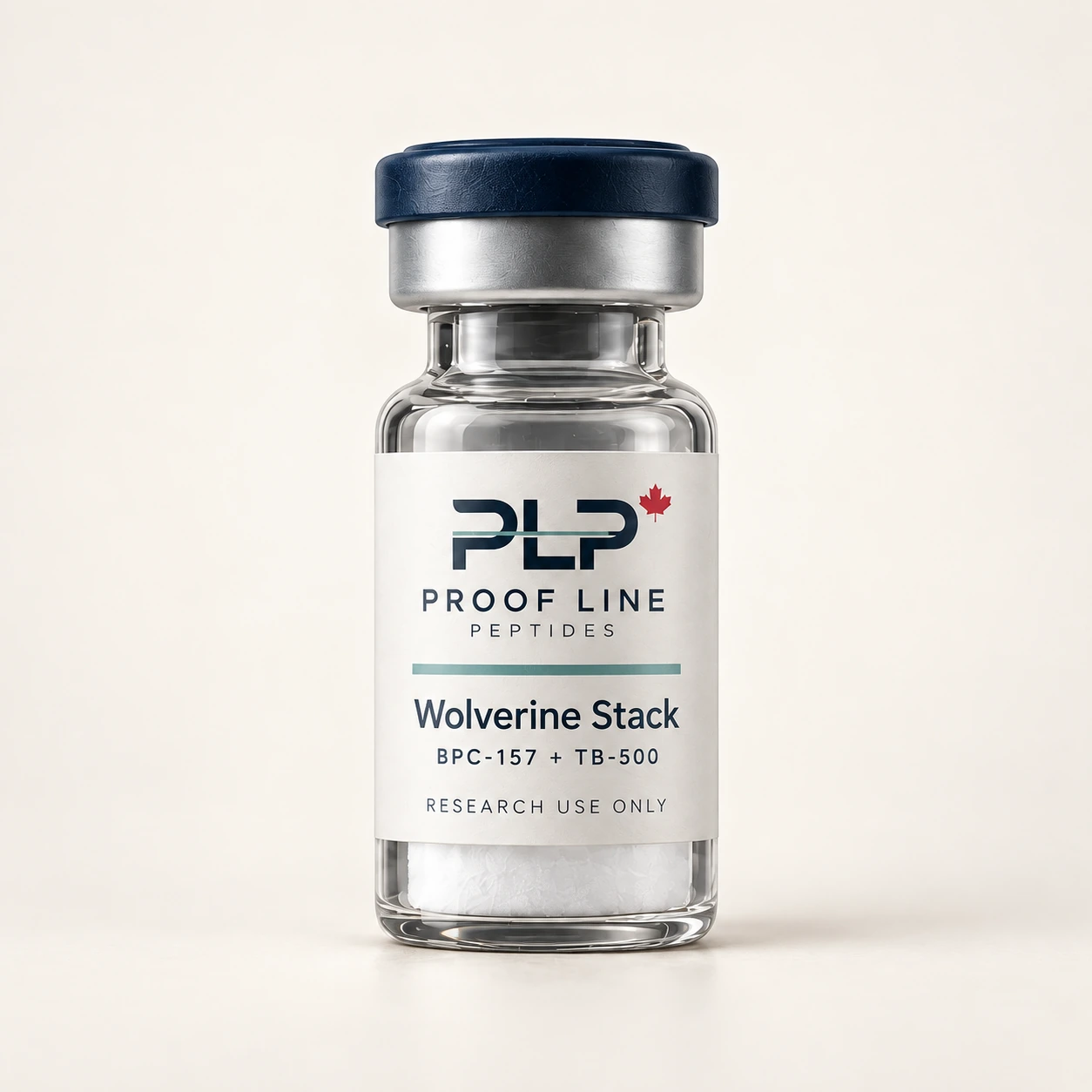
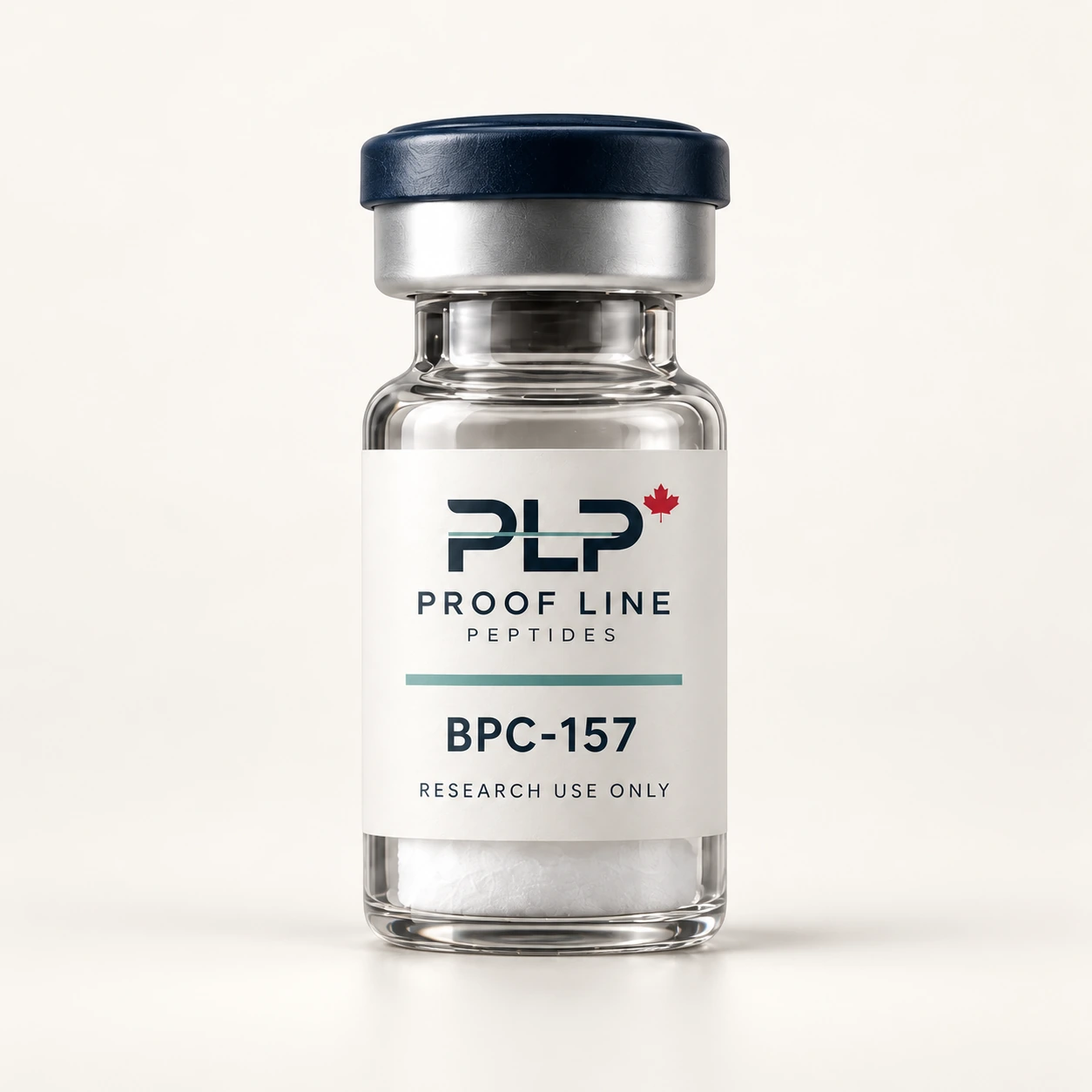
What is BPC-157?
BPC-157 is a short synthetic peptide of fifteen amino acids. Researchers study it because it appears to change how repair-related cells behave — how well they survive stress and how readily they move. It is supplied here for laboratory research; the cited experiment does not establish treatment benefits in people.
Key concepts: In vitro · In vivo · Purity
How it works and what researchers study
Researchers typically study it in tissue-repair preparations: how cells derived from tendon behave, whether they survive stress, whether they migrate, and which signalling proteins change. Those measurements are designed to test a mechanism, not to demonstrate recovery from an injury.
What the evidence shows
In rat Achilles tendon-derived explants and cells, one frequently cited study reported increased outgrowth, improved cell survival under stress and increased migration, with FAK and paxillin phosphorylation examined; proliferation was not reported as directly increased.
Limits of the evidence
- The cited work used rat tendon-derived explants and cells — not human participants.
- Cell behaviour and signalling markers are not clinical outcomes such as healing or pain relief.
- No cited study evaluated this vial. Published research describes the compound; product quality is a separate question answered by identity, quantity and lot documentation.
References
- Chang C-H et al. The promoting effect of pentadecapeptide BPC 157 on tendon healing involves tendon outgrowth, cell survival, and cell migration. J Appl Physiol. 2011. doi:10.1152/japplphysiol.00945.2010 View source